Ten minutes of sun a day
Aug 31, 2026 · 12 min

Ten minutes of sun a day. Probably the cheapest buff you can give your body.
We are the first generation of humans to live almost entirely behind doors.
Think about that for a second. For hundreds of thousands of years, the human body woke up with light, worked in light, and shut down when the light went away. There was no other option. The sun was the clock, the thermostat, and the power switch of the whole species.
Today, the average man wakes up in a dark room, gets into a car, sits in an office under artificial light, eats lunch inside, leaves when it's already night, and spends the evening with a screen 30 centimetres from his face. He can go whole days — weeks, in winter — without five minutes of direct sun on his skin.
And then we wonder why everyone is tired.
Glass blocks the sun that matters
First, something almost nobody knows and that changes everything:
Glass blocks UVB rays. So if you're sitting by a window, driving with your arm in the sun, or catching rays on a glazed balcony — you are not making any vitamin D. You're catching heat and light. You're not catching what counts.
This explains a paradox: in sunny countries, including ours, plenty of people have low vitamin D. It's not a lack of sun in the country. It's a lack of sun on the skin.
Vitamin D is not really a vitamin
It's a hormone. And the body has receptors for it almost everywhere — including the male reproductive tract and the Leydig cells, which are precisely the ones that produce testosterone.
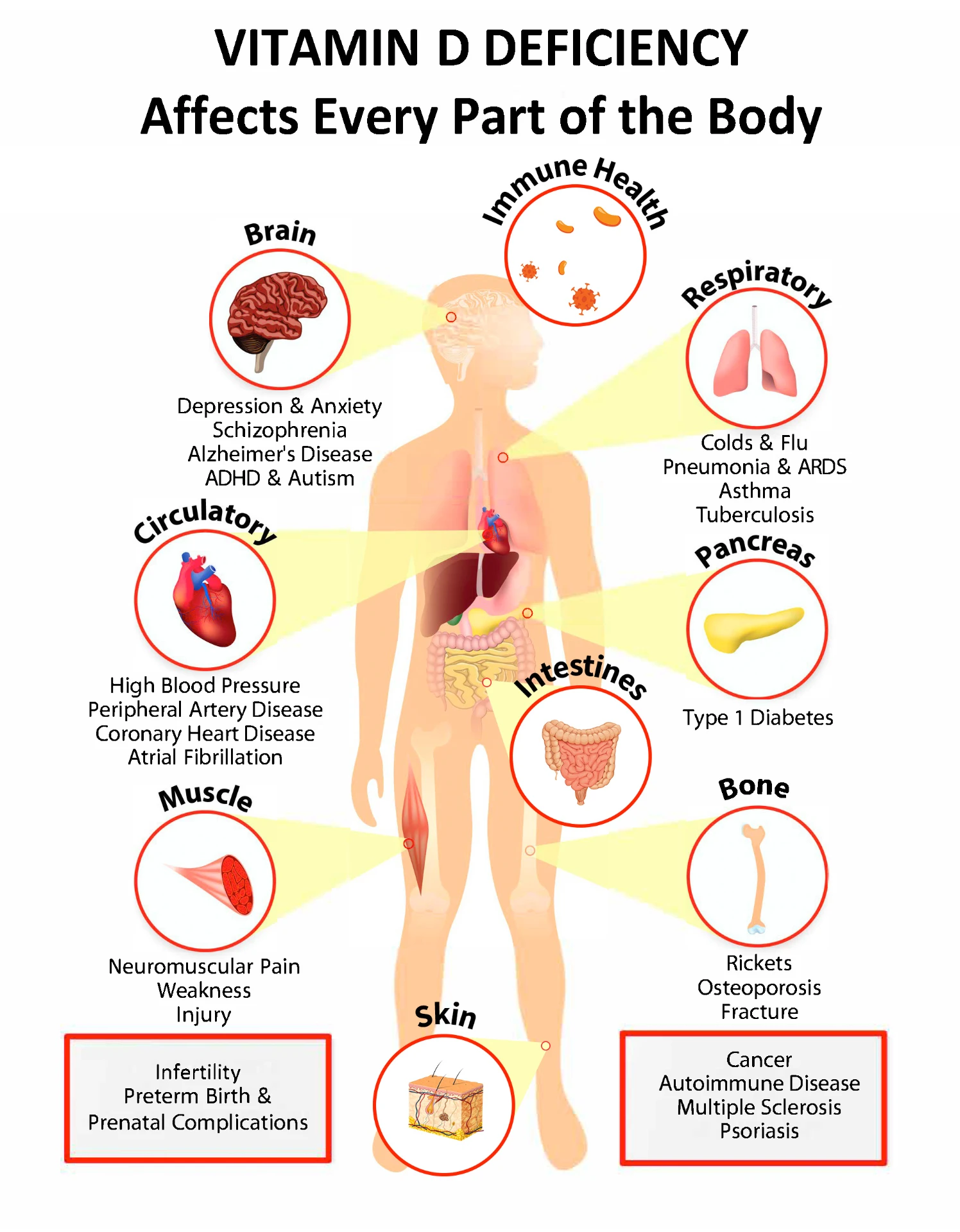
Observational studies are fairly consistent: men with lower vitamin D tend to have lower testosterone. This repeats across countries and populations.
Now the honest part, and it's important you read it.
That does not mean popping a vitamin D pill will raise your testosterone. Randomised clinical trials — the gold standard — do not confirm that link. A recent meta-analysis of controlled trials concluded that randomised evidence does not show a clear or reproducible effect of vitamin D supplementation on total testosterone in adult men.
So: the association exists, but causality via pill is not proven. Probably because low vitamin D is a marker of something else — a life spent indoors, sedentary, with little movement and little sleep.
And that's exactly where it gets interesting. Because the sun gives you more than vitamin D.
The link nobody talks about: sun → sleep → testosterone
This, in my opinion, is the strongest part of the whole story, and the one with the best evidence.
Most of the daily testosterone release in men happens during sleep. Not at lunch, not in the gym — while you're asleep.
And what happens when you sleep badly? A study published in JAMA took ten young, lean, healthy men and restricted their sleep to under five hours a night for one week. One week. Daytime testosterone dropped 10 to 15%.
Ten to fifteen percent. In one week. In 24-year-old guys in their prime.
Now connect the dots: what regulates your sleep? Your circadian rhythm. And what sets your circadian rhythm? Bright light in your eyes in the morning. Not coffee, not melatonin, not a new mattress. Light.
When you get natural light right after waking, you're basically telling your brain "the day starts now" — and it counts from there to know when to make you sleepy at night. Without that signal, the clock drifts, you fall asleep late, you sleep poorly, and the hormone production that depends on sleep takes the hit.
I'm not saying ten minutes of sun will turn you into a bull. I'm saying the sun is the input of a system — light, rhythm, sleep, hormones — and today almost everyone has that input unplugged.
And there's more
Nitric oxide. Skin exposure to sunlight releases nitric oxide, which dilates blood vessels and helps lower blood pressure. An effect independent of vitamin D.
Mood. Everyone knows this intuitively, which is why seasonal depression exists. Not a whim. Biology.
Energy. The sum of all this — better sleep, better blood pressure, better mood — is what people simply call "having more drive".
How I do it (and no, it's not roasting at noon)
This matters, because the answer to "little sun is bad" is not "lots of sun is good". It isn't.
Sunburns — especially the ones you got when you were young — are the main modifiable risk factor for skin cancer. There is no smart version of this that involves lying in the midday sun for two hours. That isn't health, it's damage.
What works is the opposite: short time, often, at the right moment.
In the morning, as early as possible. As soon as you wake up, go outside. Ten minutes. Coffee on the street instead of in the kitchen. It's the moment with the best benefit-to-risk ratio of the whole day: the sun is low, UV is weak, and it's exactly when the light signal matters most for your biological clock.
Ten minutes is enough. You don't need sessions. You need consistency. Every day beats two hours on Saturday.
Exposed skin, not through glass. Arms and legs if you can. A short-sleeved walk does more than an hour behind a glazed balcony.
Avoid peak hours. Between 11 a.m. and 4 p.m. in summer, especially here, the line between "benefit" and "burn" is very short. If you have to be out then, shade, hat, and sunscreen.
Never to redness. This is the only rule with no exceptions. The signal that you've crossed the line is your skin changing colour, and by then it's already done.
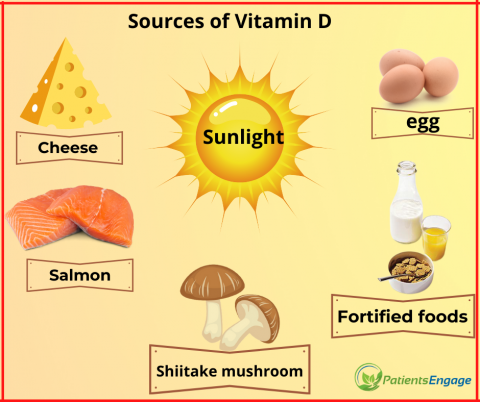
Adjust to who you are. Darker skin needs more time to produce the same vitamin D; very fair skin burns in minutes. And in winter, at more northern latitudes, the sun may simply not be high enough for you to produce anything — then talk to your doctor and measure before you start guessing with pills.
The point
We spent thirty years hearing that the sun is an enemy. And too much sun is, in fact, dangerous — that's true, and there's no point pretending otherwise.
But by running away from it completely, we did something no generation before us did: we cut the oldest and most fundamental input the human body knows, and then we went looking in bottles and pills for what it gave us for free.
Ten minutes. In the morning. Every day. Not a biohack, doesn't cost money, no small print.
It's just going back to what we always did.
Comments
Comments go up instantly. Bring reasons; slop gets deleted.
No comments yet. Be the first to start an argument.